


 0
0
 0
0
Understanding the Risks on Omegle
Before diving into specific safety measures, it’s essential to understand what you’re up against when using Omegle. The platform’s design means that you’ll be matched with complete strangers, and you have no way of verifying who they really are. This anonymity works both ways – it protects you, but it also means that others on the platform may not have good intentions.
Common risks include people attempting to extract personal information, unwanted recording of your video stream, potential exposure to inappropriate content, and in rare cases, attempts at harassment or blackmail. Understanding these risks is the first step toward protecting yourself effectively.
The good news is that with proper knowledge and precautions, you can significantly reduce these risks and enjoy Omegle safely. This guide covers everything from basic privacy settings to advanced protection strategies.
Essential Privacy Protection Measures
Protecting your privacy on Omegle starts with controlling what information you share and how you connect to the platform. According to cybersecurity experts at Norton, the foundation of online safety begins with understanding what data you’re exposing and taking steps to protect your personal information online.
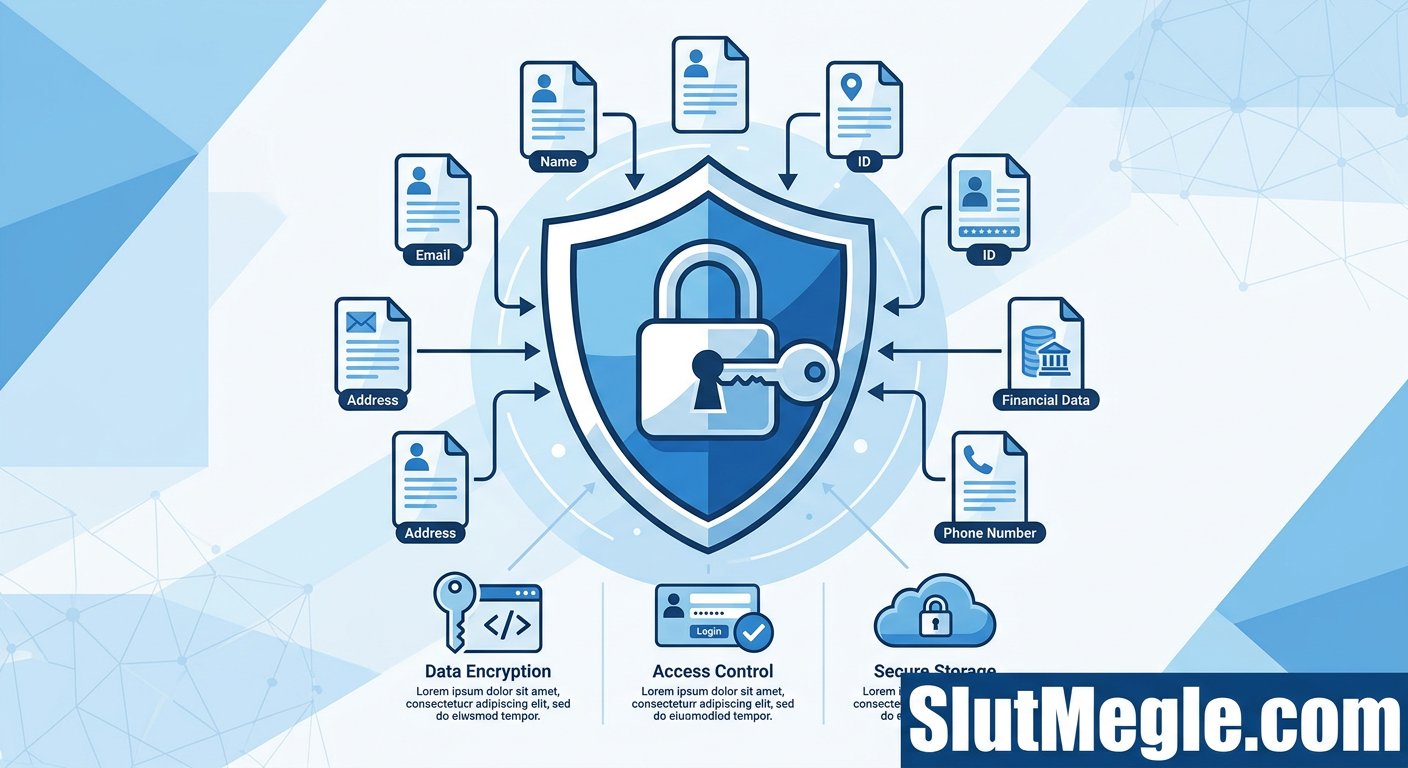
Never share your real name, address, phone number, workplace, school, or any other identifying information with chat partners. Even seemingly harmless details like your neighborhood, workplace, or daily schedule can be combined by malicious actors to build a complete picture of who you are and where you can be found.
Use a VPN service to mask your IP address and encrypt your connection. Your IP address can reveal your approximate location to chat partners, and using a VPN adds an essential layer of protection. For a complete VPN setup specifically optimized for Omegle, check out our Omegle VPN configuration guide.
Managing Camera and Microphone Access
Your webcam and microphone are the primary ways you interact on Omegle, but they’re also potential vectors for privacy invasion. Understanding how to control these tools is crucial for your safety.

Always ensure that Omegle has explicit permission to access your camera and microphone, and revoke access when you’re not using the platform. Check your browser settings regularly to verify which sites have camera permissions and remove any that you don’t actively use.
Consider using a physical webcam cover when you’re not actively video chatting. Even if no one is directly viewing your feed, there’s always a possibility of remote access through malware or security vulnerabilities. A simple sliding cover provides peace of mind when the camera isn’t in use.
Keep your webcam drivers and related software updated to protect against known vulnerabilities. Outdated software can have security holes that attackers might exploit to gain access to your camera without your knowledge. For additional camera protection strategies, our webcam privacy protection guide covers these topics in detail.
Recognizing and Avoiding Scams
Unfortunately, Omegle attracts scammers who try to trick users into giving away personal information or money. Learning to recognize common scam patterns keeps you safer while chatting.
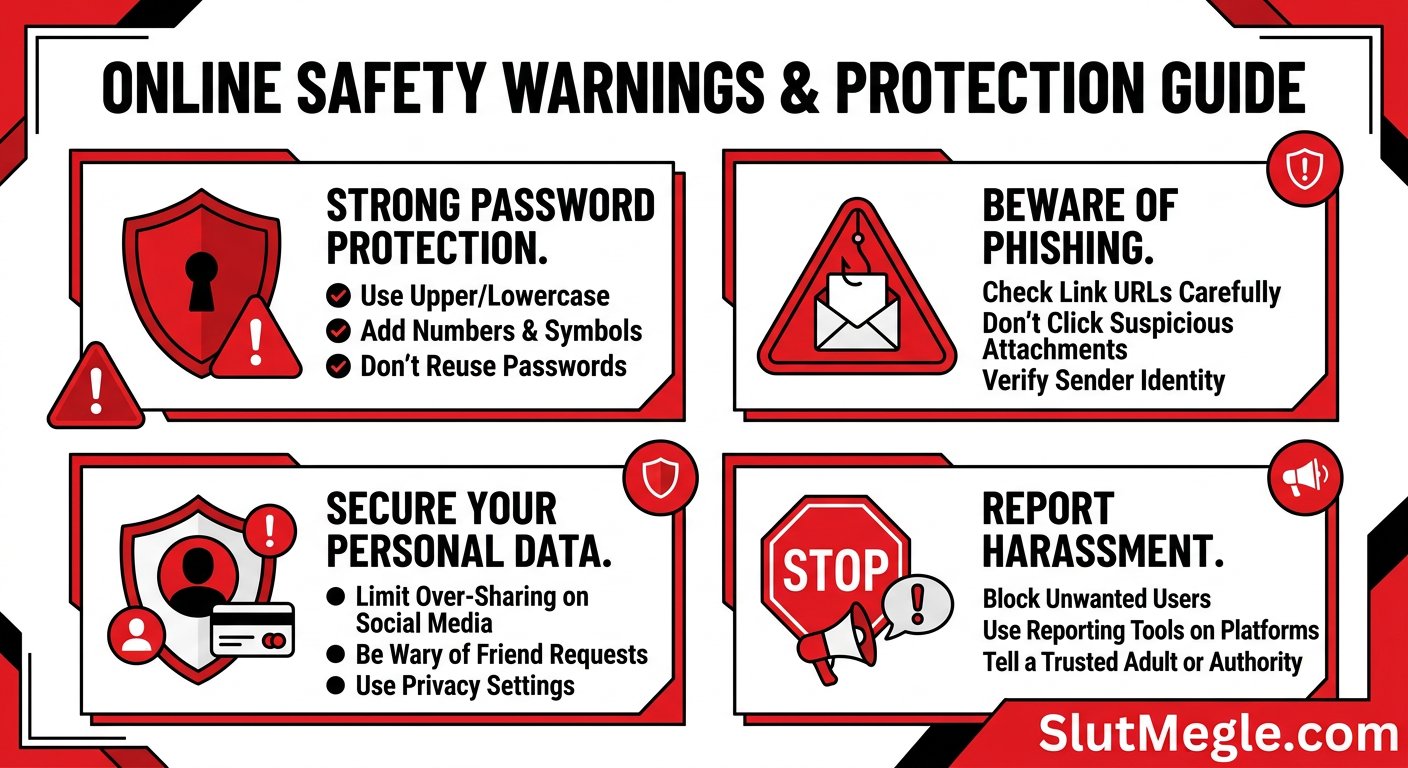
Be suspicious of anyone who asks for money, gift cards, or financial assistance, regardless of how convincing their story might be. Legitimate connections with strangers rarely involve immediate requests for money.
Watch out for catfish profiles – people who use stolen photos and fake information to pretend to be someone they’re not. If someone’s story seems inconsistent or their photos appear too professional, consider ending the conversation.
Never click on links shared by chat partners unless you completely trust them. These links could lead to phishing sites designed to steal your credentials or malware that could compromise your device. Staying vigilant about safe browsing practices helps protect you from these threats.
Protecting Yourself from Recording
One significant risk on Omegle is the possibility of being recorded without your knowledge or consent. While you can’t completely prevent this, you can take steps to minimize the damage if it happens.

Assume that anything you do on camera could potentially be recorded and shared. Conduct yourself accordingly and never do anything that you would be uncomfortable seeing publicly.
Be especially cautious about undressing or engaging in any activity that could be used for blackmail. The cybersecurity landscape in 2026 has seen increasing cases of recordings being weaponized against users, with AI-generated content making verification increasingly difficult.
If you discover that you’ve been recorded without consent, document the evidence and report it to the platform if possible. While Omegle’s moderation capabilities are limited, your report may help protect future users.
Digital Footprint Management
Every time you use Omegle, you’re potentially leaving digital traces that could be used to identify you or track your online behavior. Managing your digital footprint is an often-overlooked aspect of staying safe.
Use a dedicated email account for any services that require registration, even if Omegle itself doesn’t require an account. This creates a buffer between your primary email and your chat activities.
Clear your browser cookies and cache regularly, particularly after using Omegle. This removes stored data that could potentially be accessed by third parties.
Consider using privacy-focused browsers or browser configurations when accessing Omegle. Features like built-in tracking protection and enhanced cookie management add layers of privacy. For comprehensive protection strategies, review internet safety resources from cybersecurity experts.
Safe Communication Practices
How you communicate on Omegle matters as much as what you communicate. Developing safe communication habits protects you from many common risks.
Start conversations with light, generic topics rather than diving into personal details immediately. Building rapport doesn’t require sharing sensitive information.
Be cautious about adding chat partners on external platforms like social media or messaging apps. Once you move off Omegle, you’re operating in less controlled environments with different privacy protections.
Trust your instincts – if a conversation makes you uncomfortable for any reason, end it immediately. You have no obligation to continue chatting with anyone, and your safety should always take priority.
Emergency Response Planning
Despite your best precautions, problems can still occur. Having a plan for responding to emergencies helps you react quickly and effectively.
If someone threatens you or attempts blackmail, do not panic or comply with their demands. Document all communications, report the incident to local authorities, and consider seeking legal counsel.
Keep records of any harassment or inappropriate behavior, including screenshots and timestamps. This documentation can be valuable if you need to report the incident to authorities or platforms.
Know how to quickly end conversations and disconnect. Familiarize yourself with Omegle’s disconnect features so you can act fast if needed.
Building Long-Term Safety Habits
Safety on Omegle isn’t a one-time setup but an ongoing practice. Building sustainable safety habits keeps you protected over time.
Regularly review and update your privacy settings across all your devices and accounts. Privacy standards evolve, and staying current with best practices is essential.
Stay informed about new risks and protection strategies. The cybersecurity landscape changes constantly, and what was safe advice last year might be outdated this year.
Consider following reputable cybersecurity news sources to stay updated on emerging threats and protection strategies. Resources like cybersecurity guides provide ongoing education about keeping your digital life secure.
Conclusion
Staying safe on Omegle requires awareness, preparation, and ongoing attention to your privacy and security. By implementing the strategies outlined in this guide, you can significantly reduce your risk exposure while still enjoying the platform’s social opportunities.
Remember that your safety is ultimately your responsibility. No platform can fully protect you from all risks, which is why developing good security habits serves you far beyond Omegle into all areas of your digital life.
For additional protection strategies, we recommend exploring our related guides on protecting your webcam privacy and using VPNs effectively for anonymous browsing. Staying informed and cautious is the foundation of safe online interactions.